Blog 7-3: Standardization and Equity in the Early Years: Can One Foundational Learning Agenda Serve All Children?
Foundational learning needs shared goals, but not identical provision. This blog asks whether one early-learning agenda can serve all children aged 3–8 across different languages, families, abilities, and access to resources.


Blog 7-2: Making Foundational Learning Work for Young Children: Teachers, Language, and Everyday

Young children do not develop literacy, numeracy, and AI pre-literacy through formal instruction alone. This blog examines the teachers, families, languages, play, and everyday experiences that make foundational learning possible for children aged 3–8.

Blog7-1: Learning Poverty and the Limits of Curriculum Reform in Early Childhood and Primary Education

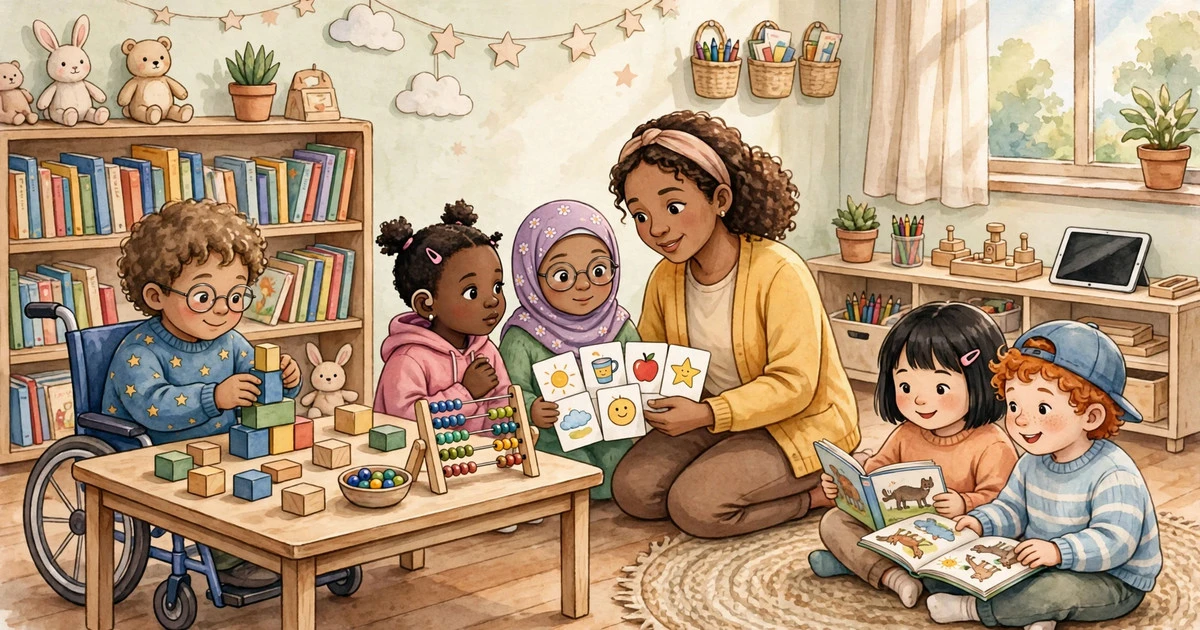
A foundational learning class a teacher with young children

Curriculum reform is often treated as the main solution to learning poverty, but young children’s learning depends on much more than a revised syllabus. This blog examines why teacher capacity, language environments, family engagement, assessment, and equity must change alongside curriculum.

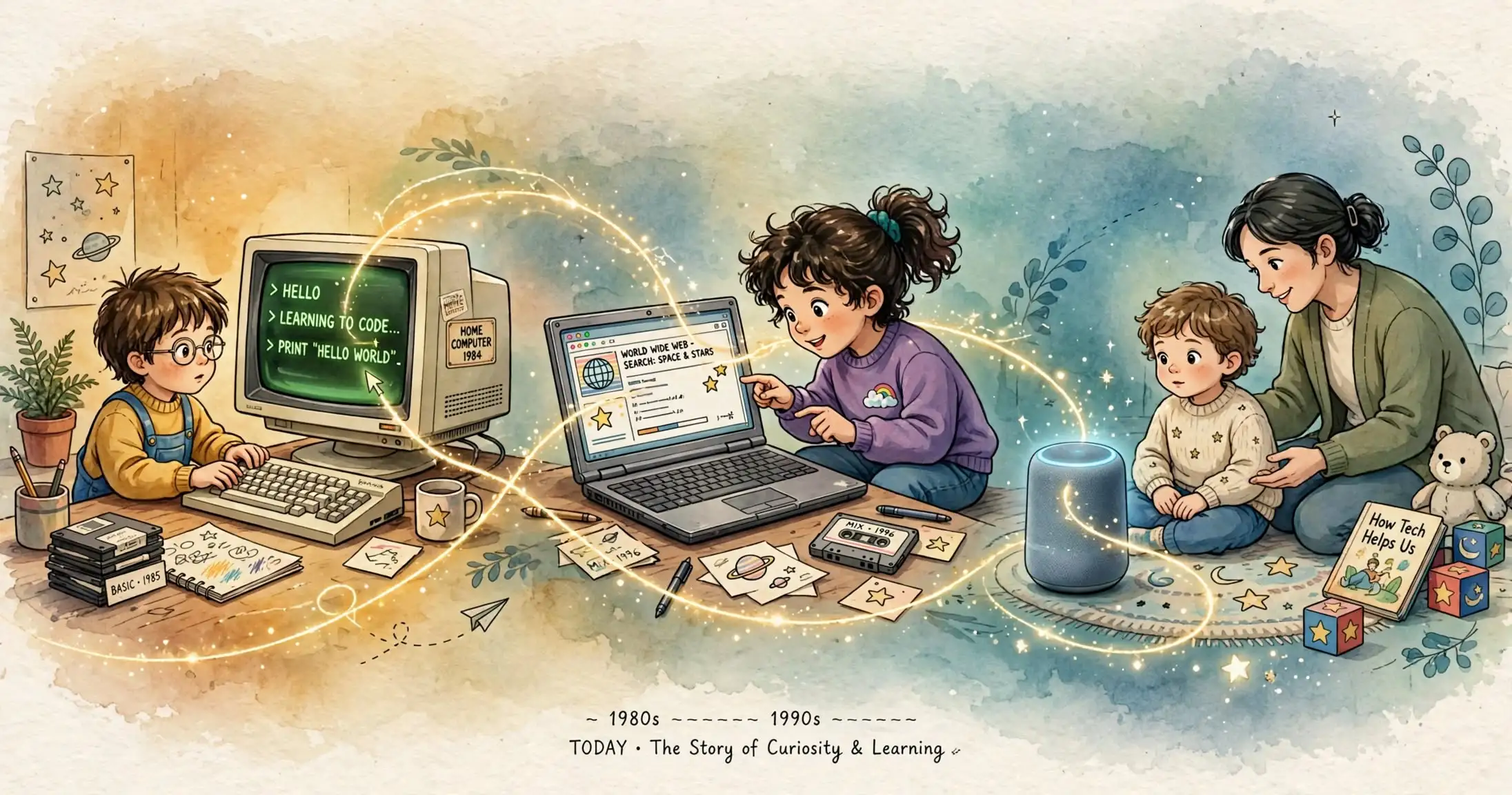
From Computer Literacy to AI Literacy: A 40-Year Journey — And the Child We Left Behind

Mother Child Computer Literacy

A five-year-old asked a smart device a question. The answer was wrong. He asked again. Wrong again. He turned to his mother, confused. He had never been taught that a machine could be mistaken. We have spent four decades teaching children to use technology. We have not spent enough time teaching them to understand it. And the youngest children are the ones most left behind.

 AI Pre-Literacy Research Observatory: An Open Evidence Map for Researchers

AI Pre-Literacy Research Repository

If you are planning a study, writing a review, positioning a grant, or looking for a gap, the Observatory shortens the distance between a question and a defensible answer. It is also designed to be disagreed with — the analytical boundaries are visible so they can be contested.

AI Literacy Is Essential — And It Assumes Your Child Is Already 8. What About Age 2–7?

Playfull learning

A four-year-old told her mother that Alexa was her friend. Her mother asked me if that was a problem. Most AI literacy begins at age 8. But AI experience begins at age 2. Here is what parents need to know about AI pre-literacy for young children.

Why AI Literacy Gives Your Child an Edge — From Prompting to Creating to Questioning

mother child relationship

A father’s son used ChatGPT for a science project. The teacher gave him a C. “He can use AI,” the teacher said. “But he doesn’t understand what he’s using.” Discover why AI literacy—prompting, creating, and questioning—gives your child an edge.

Why Computer Literacy Is Not Enough Anymore—But We Still Need Its Discipline

child with computer

A child types a perfect prompt into an AI tool. The AI generates a flawless essay. No struggle. No frustration. No effort. The child has mastered the tool—but has mastered nothing about themselves. That is the problem with computer literacy alone.

Secret Link