Why AI Literacy Gives Your Child an Edge — From Prompting to Creating to Questioning

A father’s son used ChatGPT for a science project. The teacher gave him a C. “He can use AI,” the teacher said. “But he doesn’t understand what he’s using.” Discover why AI literacy—prompting, creating, and questioning—gives your child an edge.

Your Child’s Prime Years Are Happening Now — And AI Is Already In Them

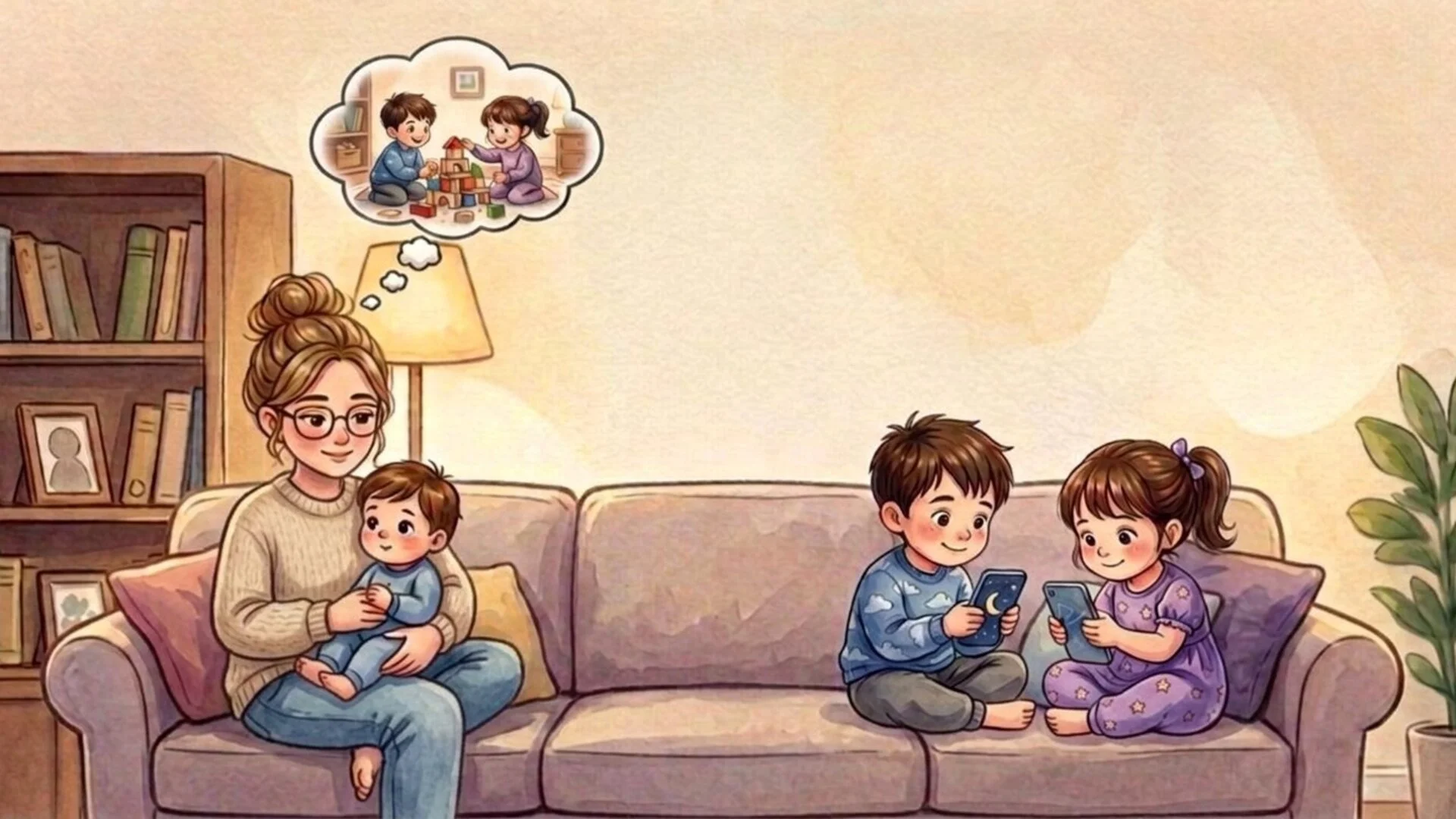
Mother thinking about her childhood

AI Pre-Literacy names the developmental territory from birth to approximately eight years in which children form the linguistic, cognitive, affective, empathic, and socio-ethical foundations for AI sense-making. This post explains why the distinction from AI Literacy matters, and what it means in practice.

 AI Pre-Literacy Research Observatory: An Open Evidence Map for Researchers

AI Pre-Literacy Research Repository

If you are planning a study, writing a review, positioning a grant, or looking for a gap, the Observatory shortens the distance between a question and a defensible answer. It is also designed to be disagreed with — the analytical boundaries are visible so they can be contested.

AI Literacy Is Essential — And It Assumes Your Child Is Already 8. What About Age 2–7?

Playfull learning

A four-year-old told her mother that Alexa was her friend. Her mother asked me if that was a problem. Most AI literacy begins at age 8. But AI experience begins at age 2. Here is what parents need to know about AI pre-literacy for young children.

Why AI Literacy Gives Your Child an Edge — From Prompting to Creating to Questioning
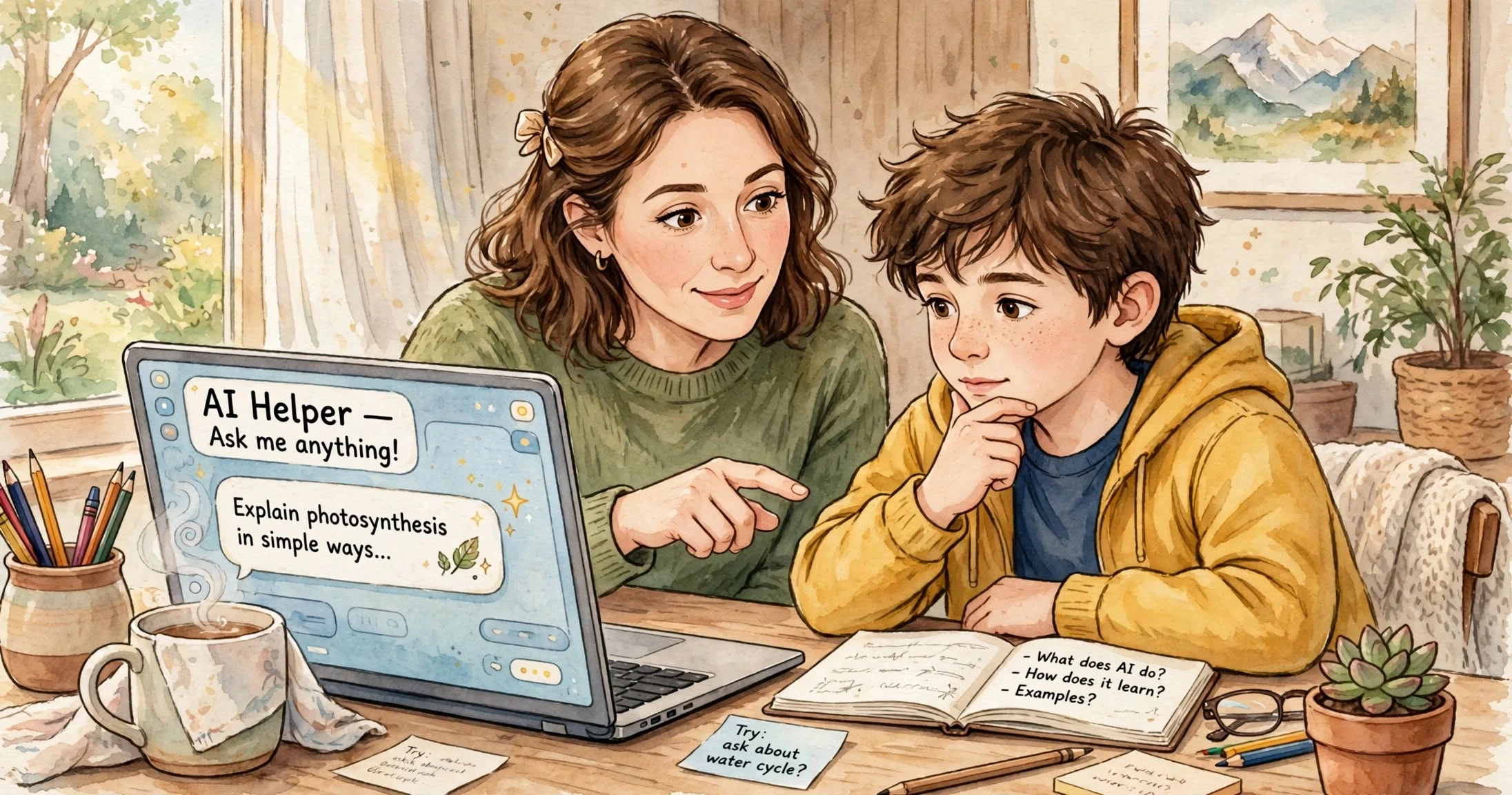
mother child relationship

A father’s son used ChatGPT for a science project. The teacher gave him a C. “He can use AI,” the teacher said. “But he doesn’t understand what he’s using.” Discover why AI literacy—prompting, creating, and questioning—gives your child an edge.

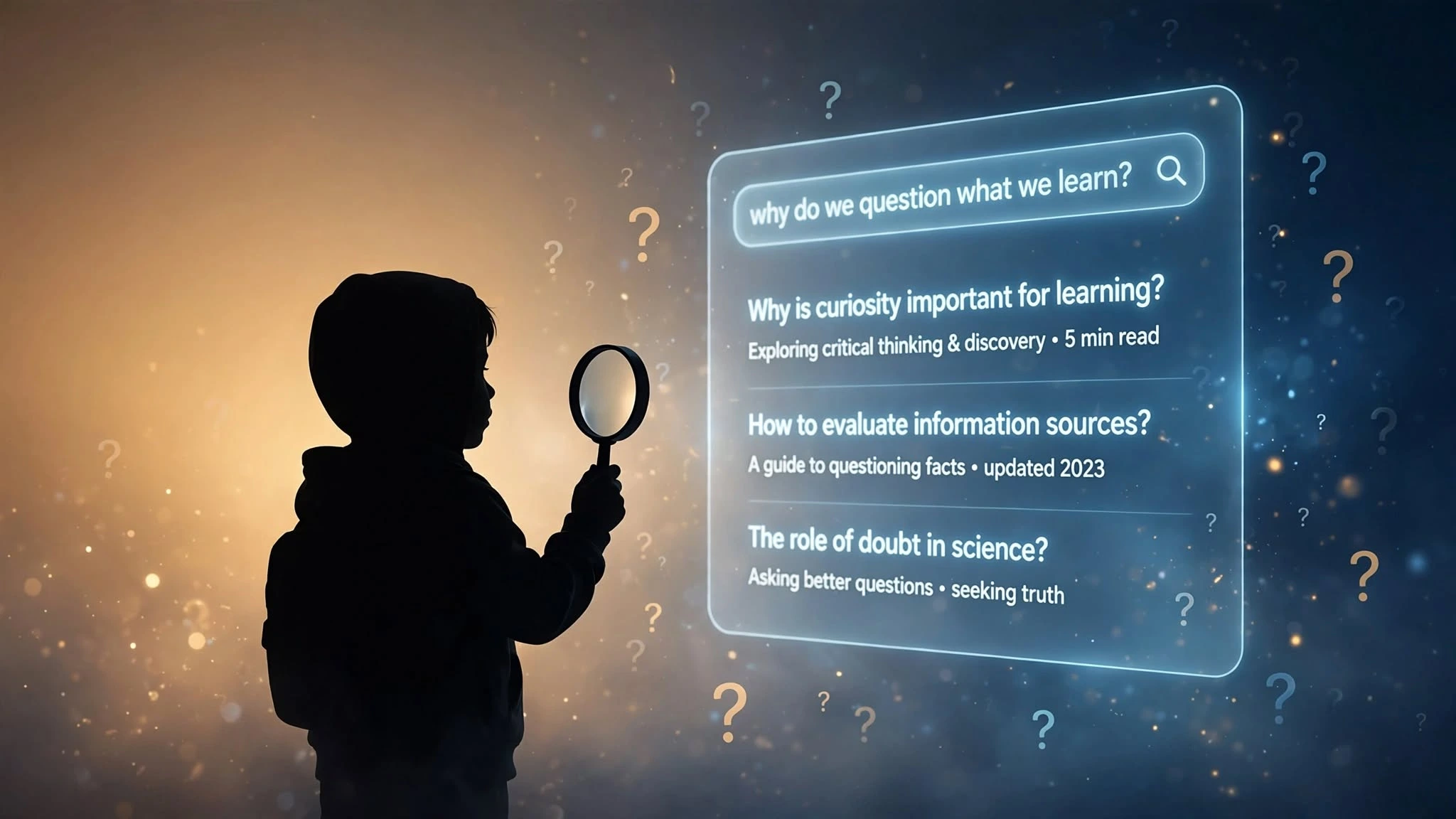
Digital Literacy and the Search Engine Child: Why Finding Isn’t Understanding

A Child Serching

A teacher asked her 10-year-old student how he knew his search result was reliable. “It was the first result,” he said. “Google always shows the right answer.” Discover why children trust search engines without understanding them—and what parents can do to teach critical thinking in the age of instant answers.

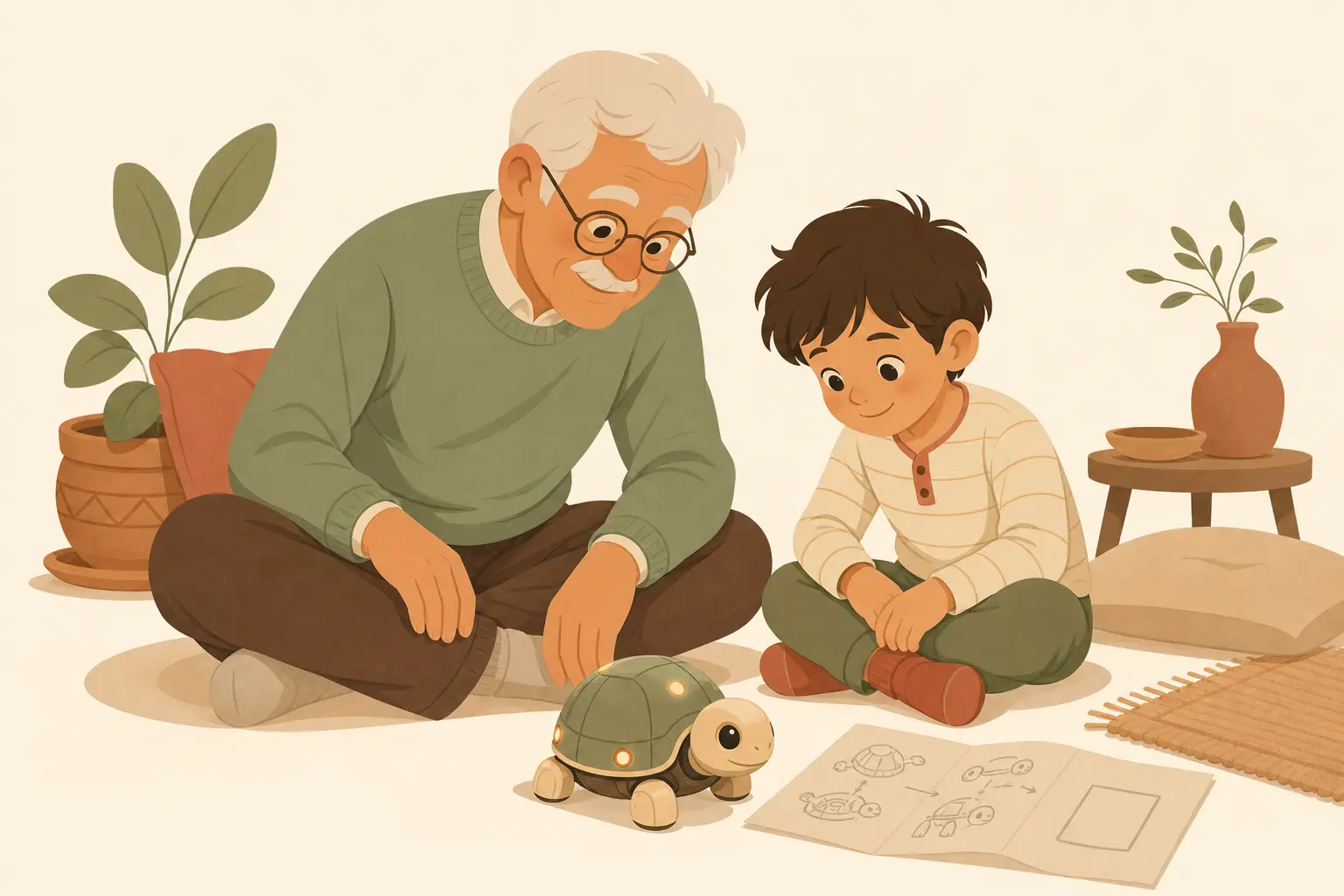
The Logo Turtle and the Birth of Thinking: How Computer Literacy Tried to Teach Children to Think

grandpa and child

In 1967, a small robot called the Turtle taught children to program. But it was never about coding. It was about thinking. Today, as AI writes code for us, the Turtle’s lesson is more urgent than ever.

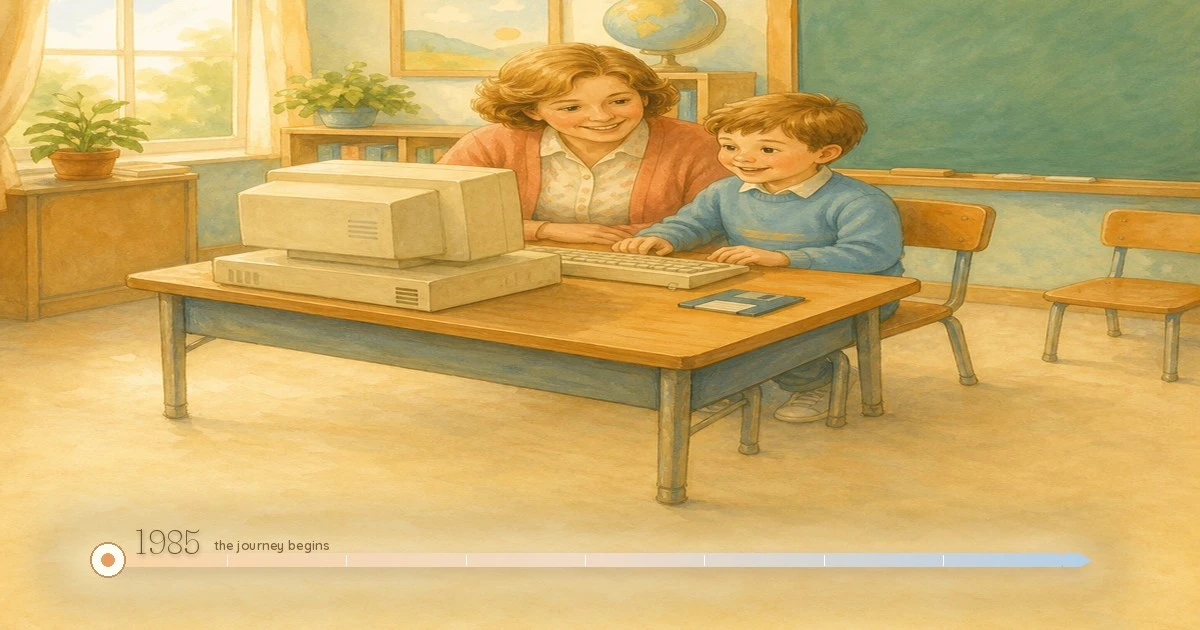
What Was Computer Literacy? Why Knowing Parts of a Computer Was Once Enough

ccomputer class

In 1985, if your child knew what a floppy disk was, she was computer literate. That was not small. It was the beginning of a 40-year journey from computer literacy to AI literacy. To understand AI literacy, we must honor where we started.

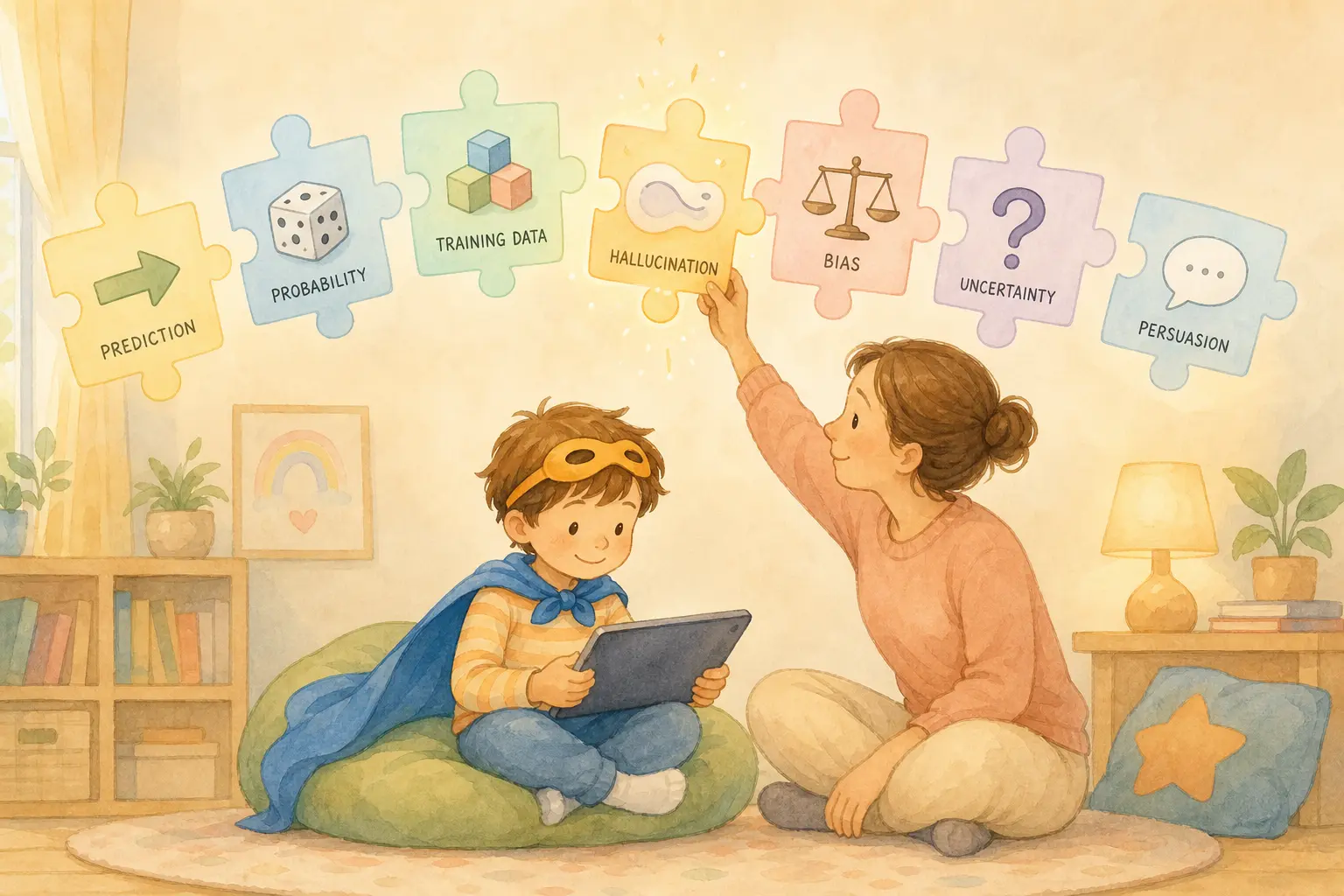
The Competence–Understanding Gap:  Your Child Knows How to Use AI— But Does Your Child Understand It?

Puzzle and child

A child can be brilliant at using AI and still have almost no idea how it works. That is the Competence–Understanding Gap. Competence is “I can make it do things.” Understanding is “I know what it is actually doing.” Without understanding seven core ideas, competence becomes dangerous.

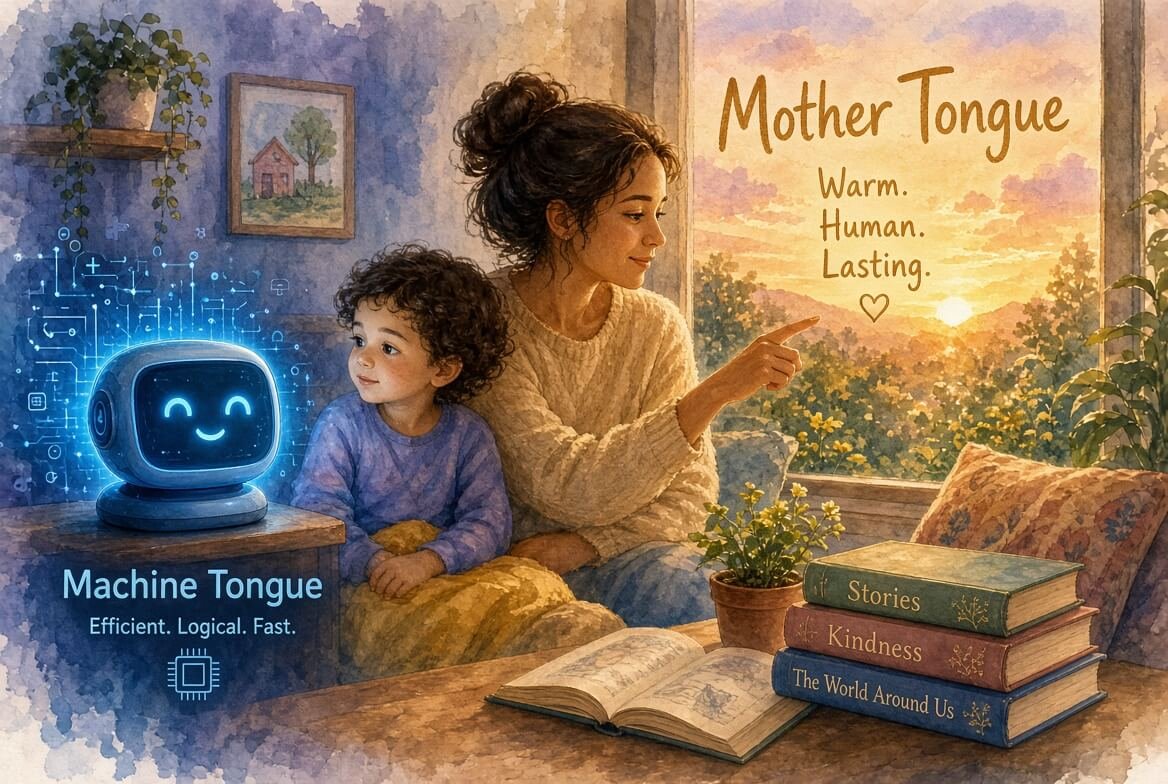
The Machine Tongue Part 3: Bringing The Mother Tongue Home [Final Part of 3]

Machine Tongue

The Machine Tongue does not have to win. Parents cannot remove AI from childhood, but they can teach children to recognize simulation and choose The Mother Tongue — here are 4 steps you can start tonight.

Secret Link