AI Literacy Is Essential — And It Assumes Your Child Is Already 8. What About Age 2–7?
Playfull learning

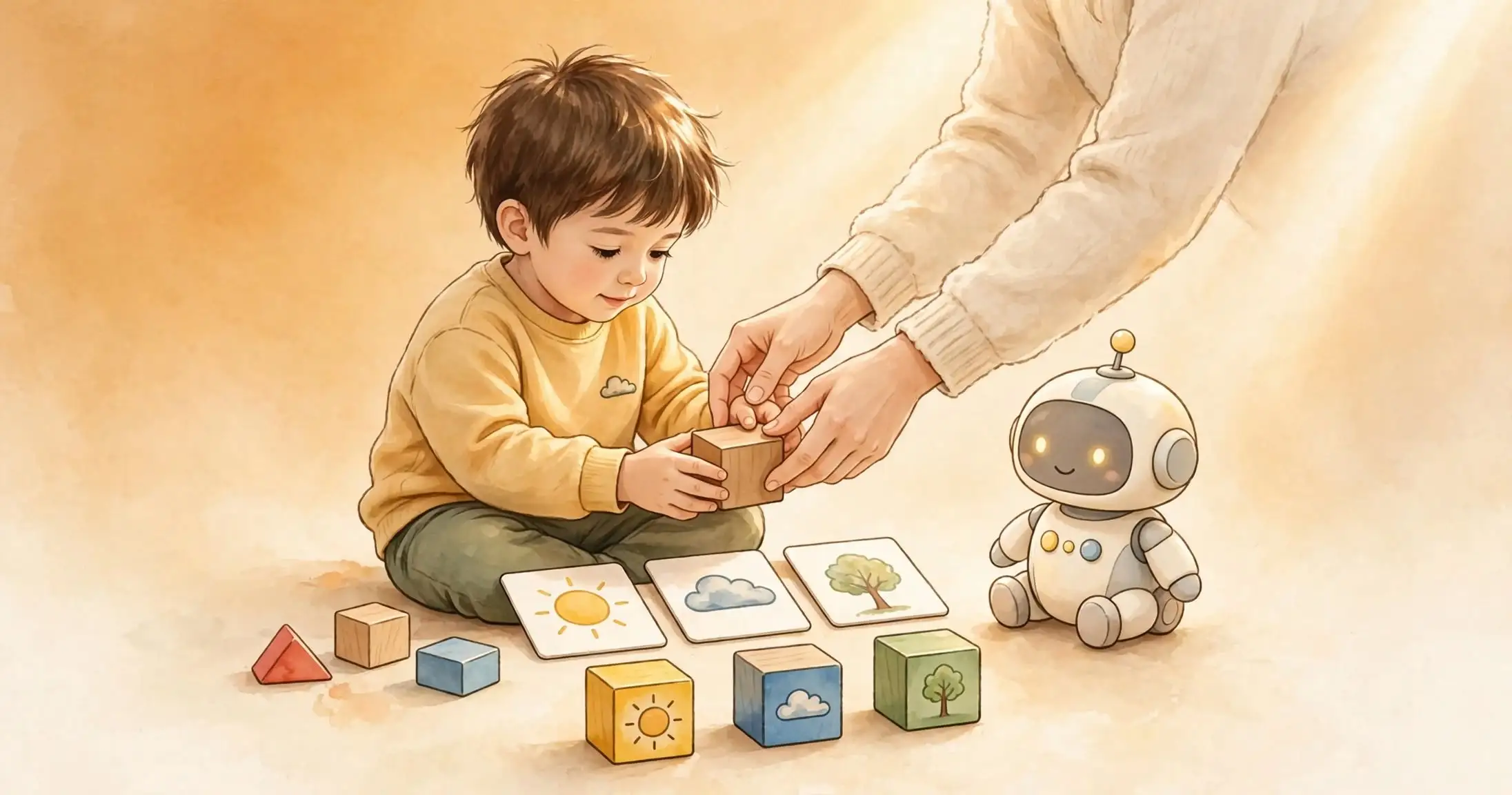
A four-year-old told her mother that Alexa was her friend. Her mother asked me if that was a problem. Most AI literacy begins at age 8. But AI experience begins at age 2. Here is what parents need to know about AI pre-literacy for young children.
Why AI Literacy Gives Your Child an Edge — From Prompting to Creating to Questioning

mother child relationship

A father’s son used ChatGPT for a science project. The teacher gave him a C. “He can use AI,” the teacher said. “But he doesn’t understand what he’s using.” Discover why AI literacy—prompting, creating, and questioning—gives your child an edge.

Digital Literacy and the Search Engine Child: Why Finding Isn’t Understanding

A Child Serching

A teacher asked her 10-year-old student how he knew his search result was reliable. “It was the first result,” he said. “Google always shows the right answer.” Discover why children trust search engines without understanding them—and what parents can do to teach critical thinking in the age of instant answers.

The Competence–Understanding Gap:  Your Child Knows How to Use AI— But Does Your Child Understand It?

Puzzle and child

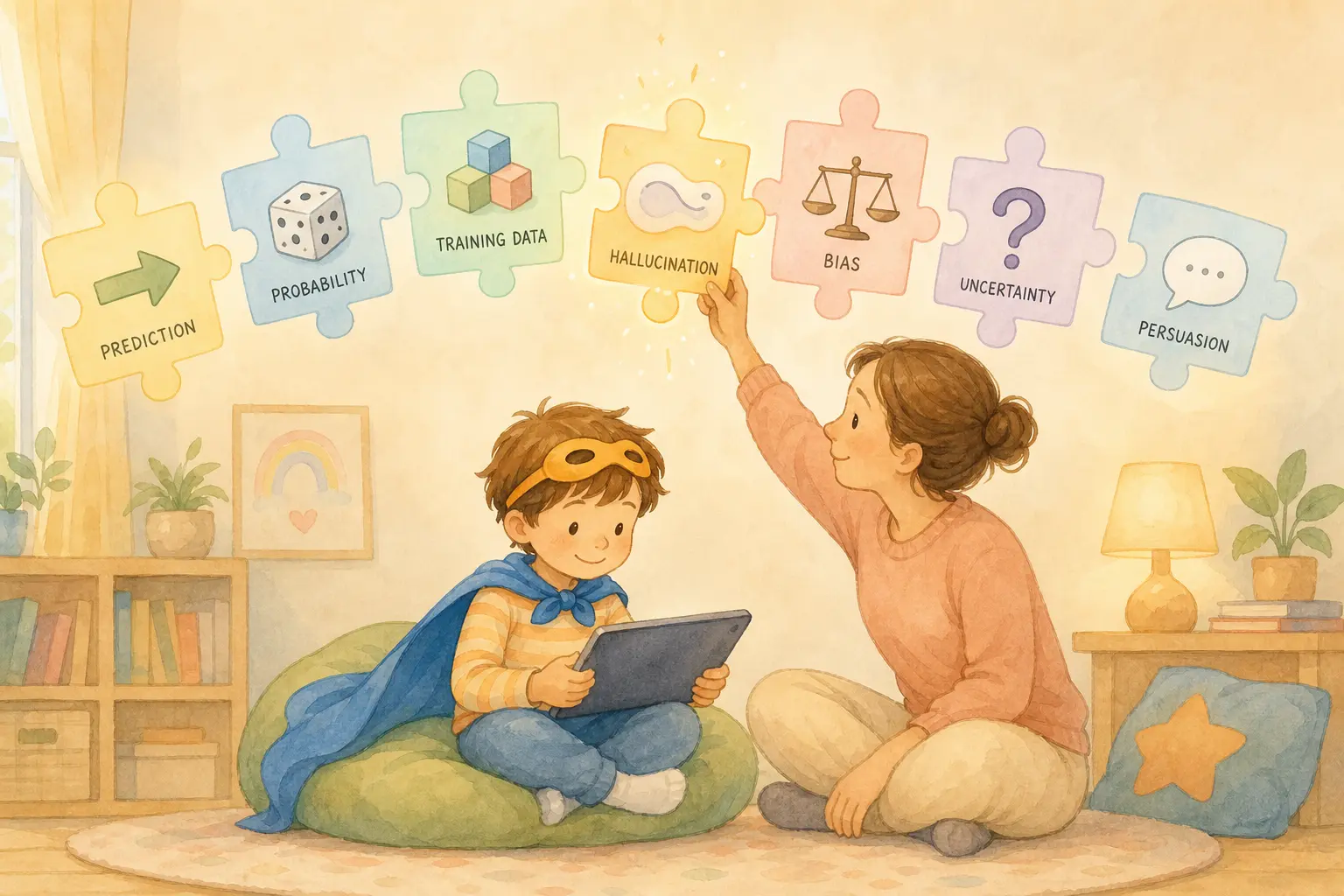
A child can be brilliant at using AI and still have almost no idea how it works. That is the Competence–Understanding Gap. Competence is “I can make it do things.” Understanding is “I know what it is actually doing.” Without understanding seven core ideas, competence becomes dangerous.

The Identity Fortress: Three Family Rituals AI Can Never Replace

Family rituals

AI can be a tutor, a playmate, an answer machine. It cannot give your child a sense of who they are and where they belong. That comes from three irreplaceable family rituals that build an identity fortress.

The Synthetic Mirror: How Algorithmic Mirrors Are Reshaping Children’s Self-Image

AI Mirror

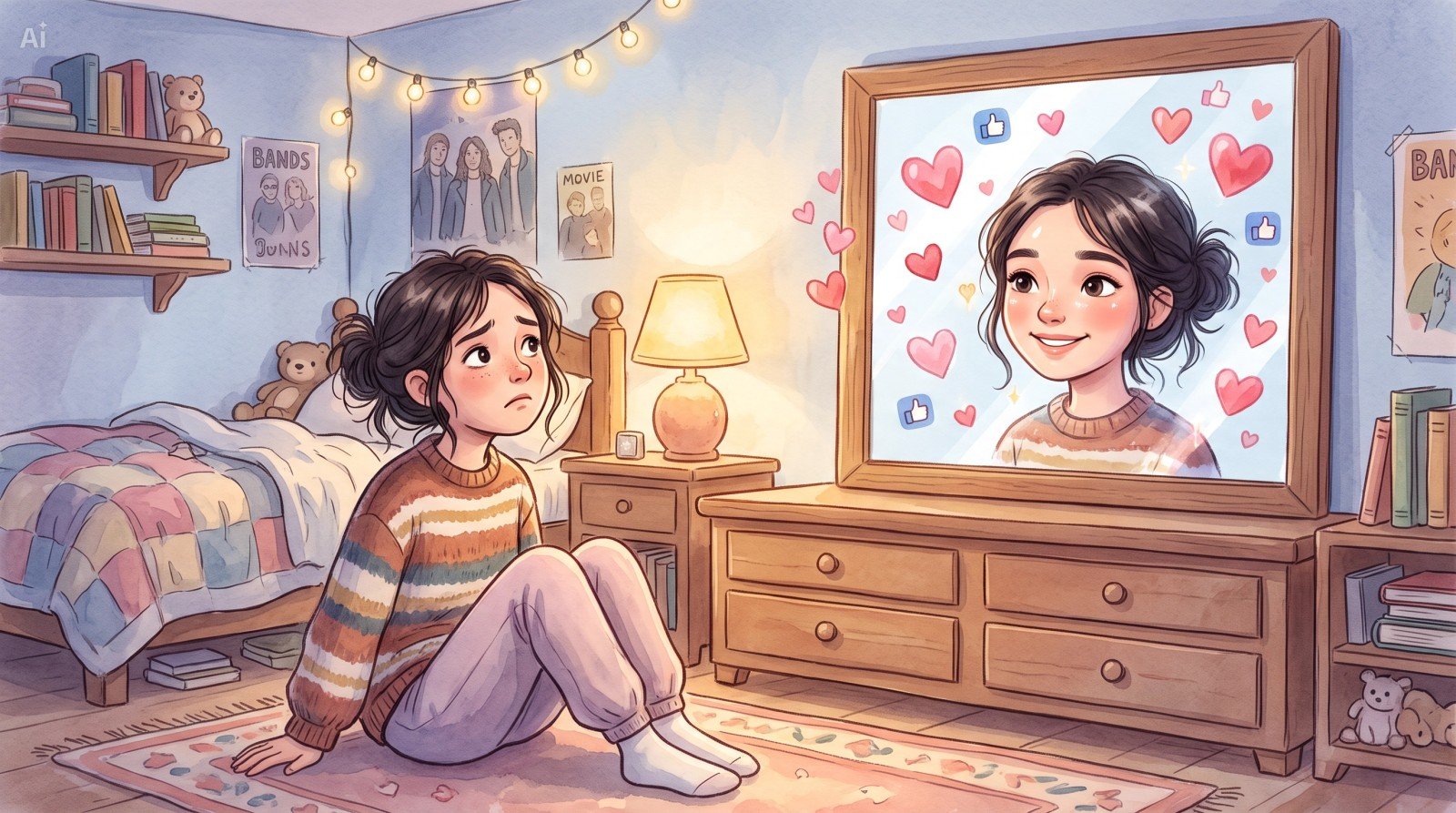
A 14-year-old looked in a real mirror and burst into tears: ‘This isn’t me. My real face looks wrong.’ She had been looking at algorithmic mirrors for so long that her actual reflection became unfamiliar. What the Synthetic Mirror teaches children about beauty, worth, and identity — and how to offer a truer reflection.

Why Does My Child Give Up So Easily? AI, Instant Answers, and the Loss of Productive Struggle

Productive Strugle

A 10-year-old stares at math for 30 seconds then says ‘Just tell me!’ Why children who grow up with instant AI answers stop believing in effort — and how to protect the struggle that makes them capable.

When AI Gets Too Close: The New Risks Parents Cannot Afford to Ignore

3rd post

A mother recently discovered her 14-year-old daughter was confiding in an AI chatbot about her struggles at school. The daughter said the chatbot “understood” her better than anyone. The mother wasn’t sure whether to be relieved or deeply concerned. Discover what happens when AI moves from tool to companion—and the boundaries every parent needs.

AI Is Already in Your Home: The Invisible Roommate

caring parent

A mother told me her 10-year-old son asked why YouTube kept showing him the same type of video. He thought he had chosen it. He hadn’t realized the system was choosing for him. Discover how AI is quietly shaping your child’s environment—and what you can do about it.

Secret Link