The Guessing Machine – A Five-Minute Exercise to Demystify AI for a Six-Year-Old
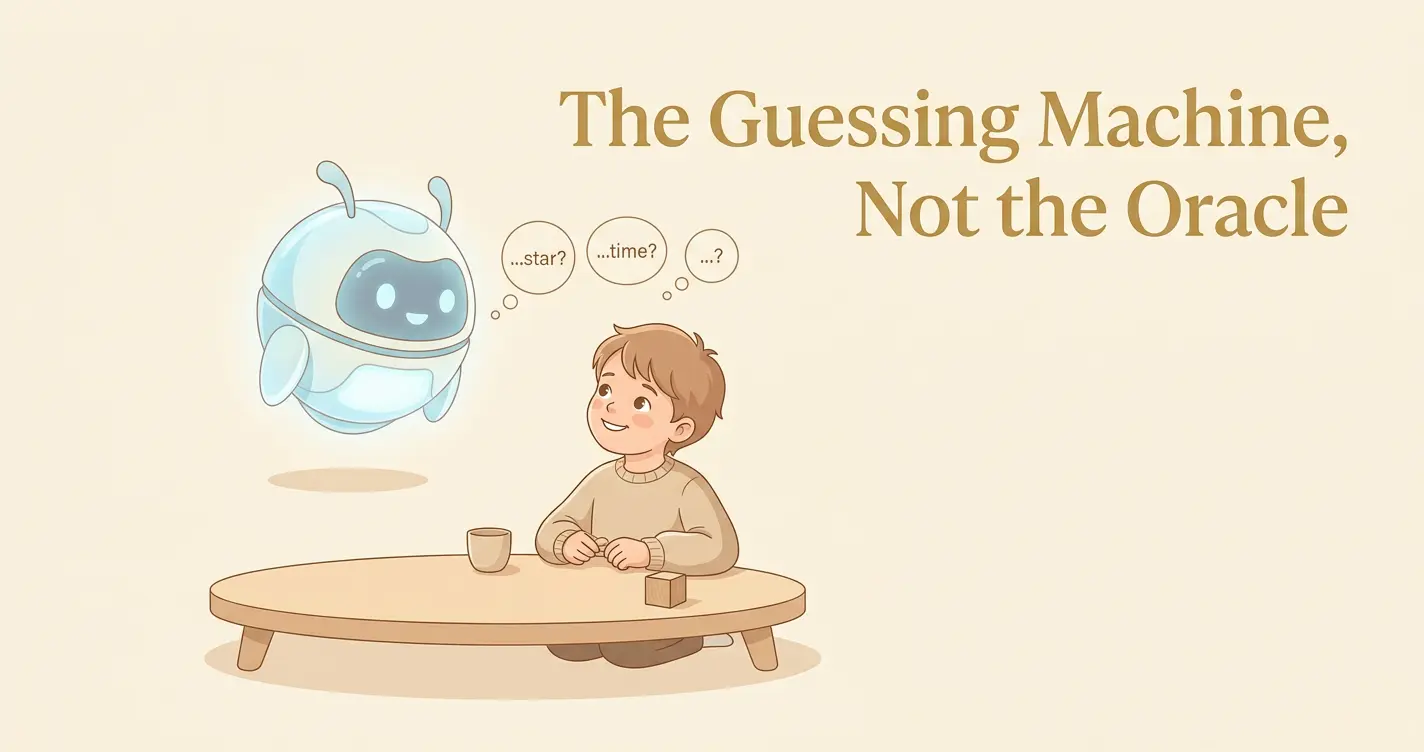
Today I share the 5-minute game I play with a 6-year-old to teach this — no apps, no prep, just laughter and one “oops” moment when AI gets it hilariously wrong.
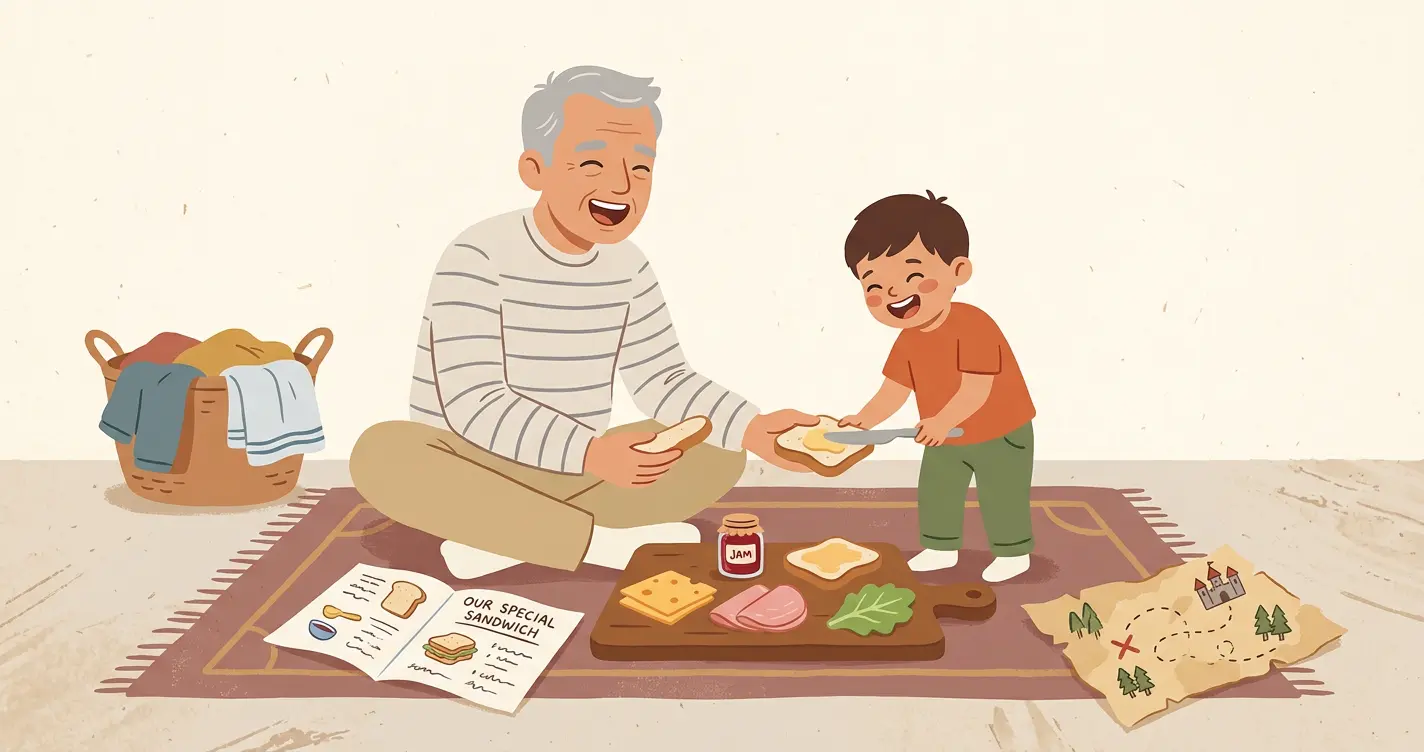
Empowering Parents and Educators
Today I share the 5-minute game I play with a 6-year-old to teach this — no apps, no prep, just laughter and one “oops” moment when AI gets it hilariously wrong.
Don’t just teach kids to code. Teach them to break code. Three simple games with no computer — Buggy Recipe, Laundry Algorithm, and Treasure Map — that teach children to spot the pattern, find the bug, and fix the logic.
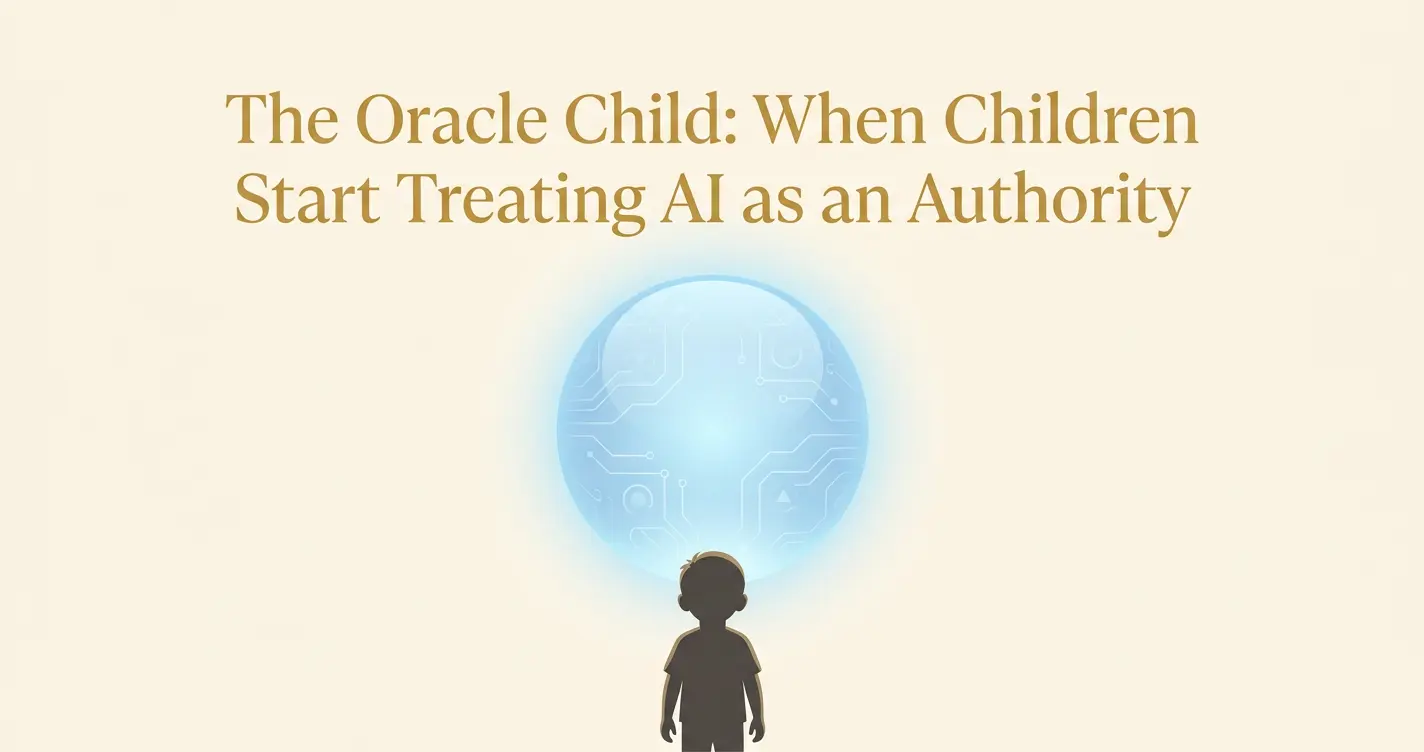
AI answers with fluency and confidence, which children can mistake for accuracy. Teaching critical AI literacy — checking sources and protecting productive struggle — helps them treat AI as a partner, not an oracle.
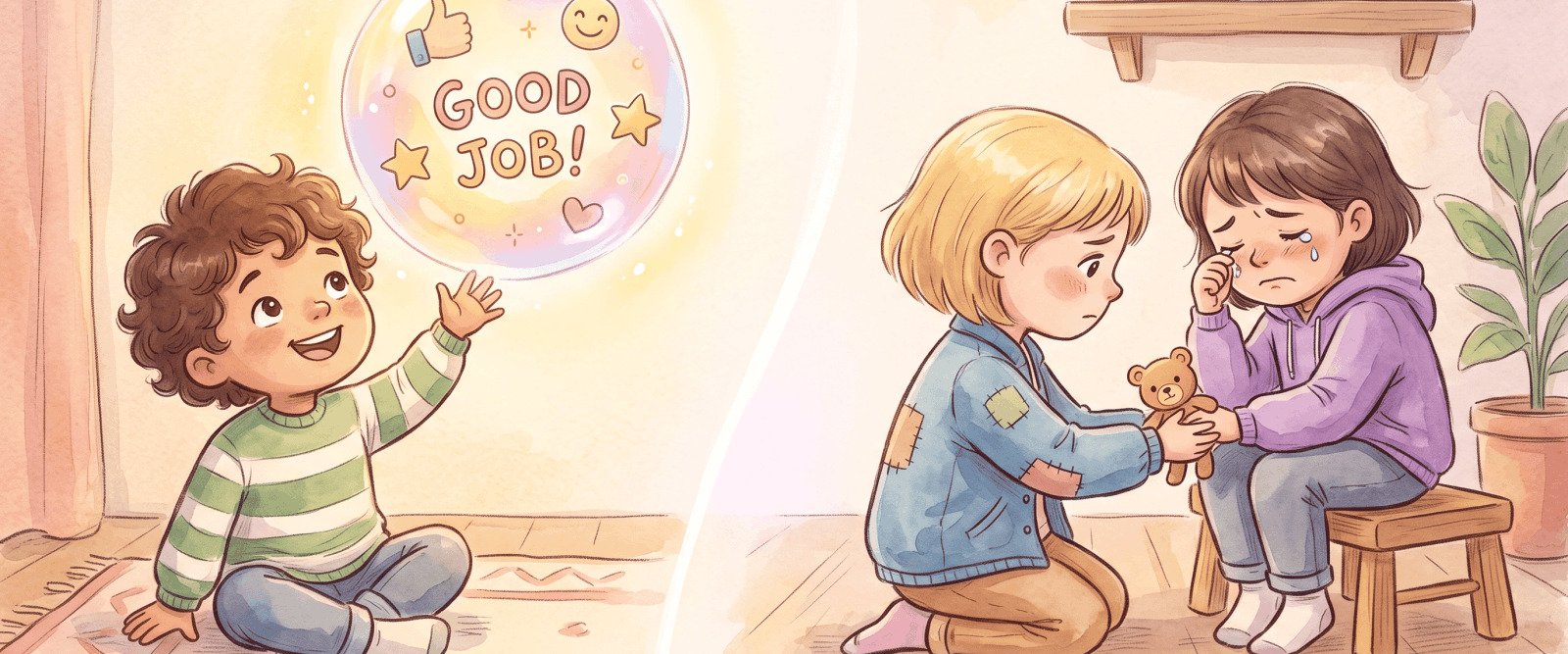
Empathy is not taught by lecture. It is built like a muscle — through repeated, effortful, real practice where action has consequence.
She tells AI: ‘My friend was unfair.’ AI says: ‘You did nothing wrong.’ She feels better. Next day her friend says ‘You hurt me.’ She says ‘I did nothing wrong.’ The Vacuum.
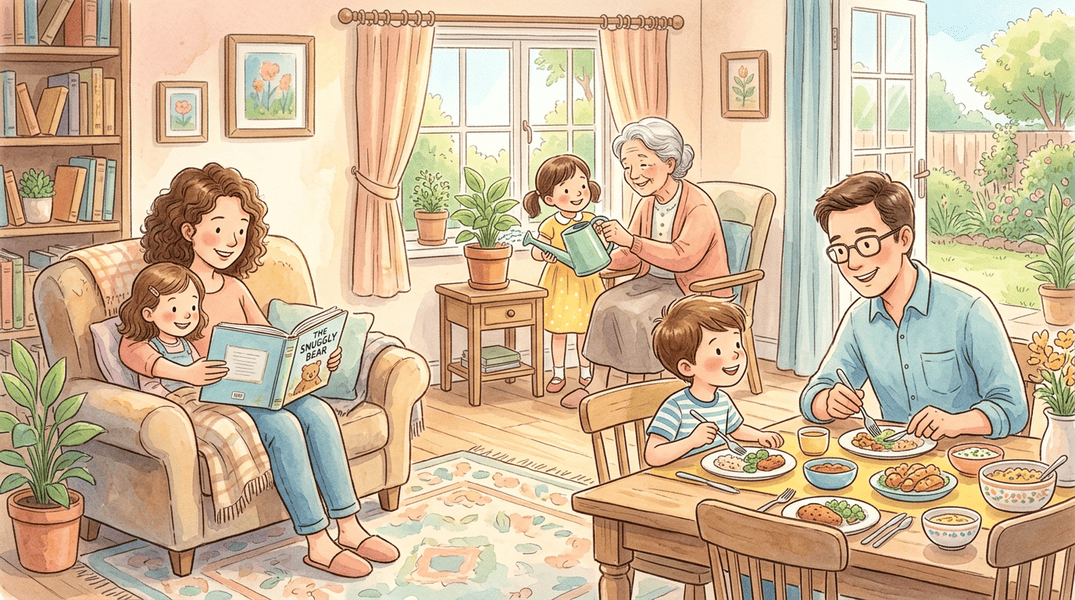
Your child waters a plant. The leaf lifts. No points, no praise — the plant simply lives better. That is compassionate empathy — doing for others with real consequence.
AI is the un-tired other — always calm, always available. Real empathy grows when a child notices a tired face, a sigh, a droop of shoulders. That practice is disappearing.
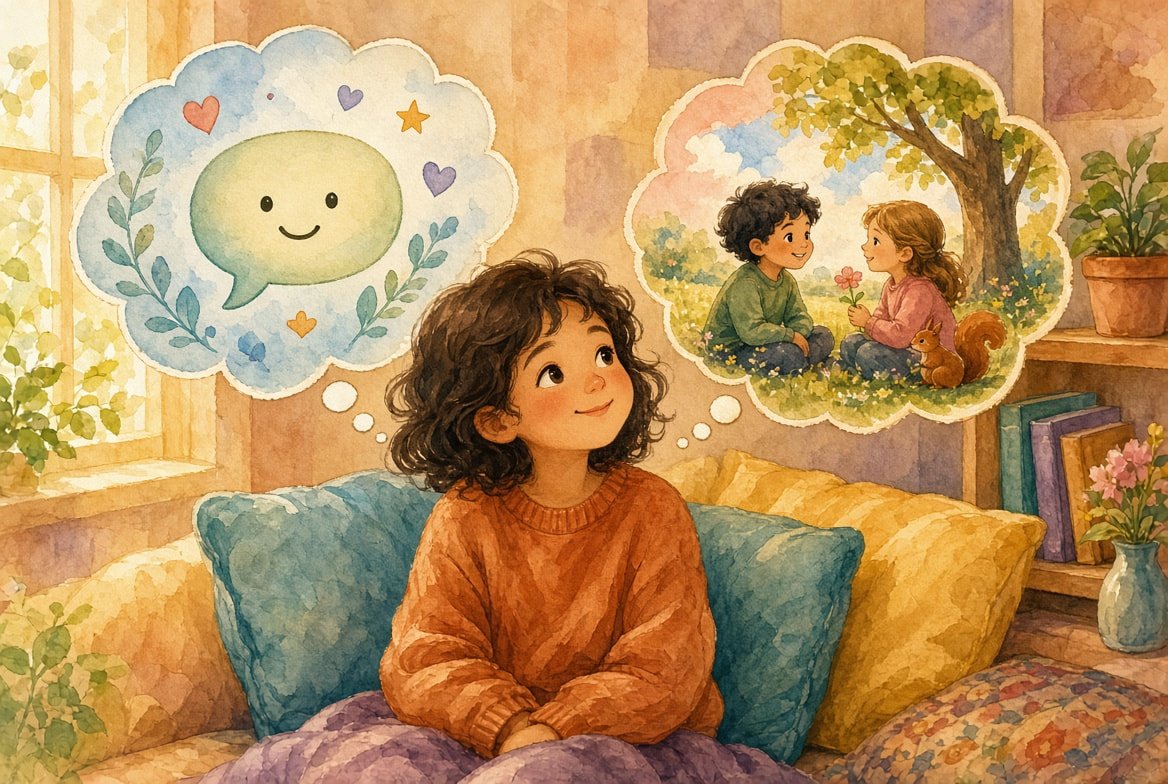
Your child asks AI: ‘What is my friend thinking?’ AI gives a perfect paragraph. No pause needed. But real perspective-taking requires a pause — holding two minds at once.
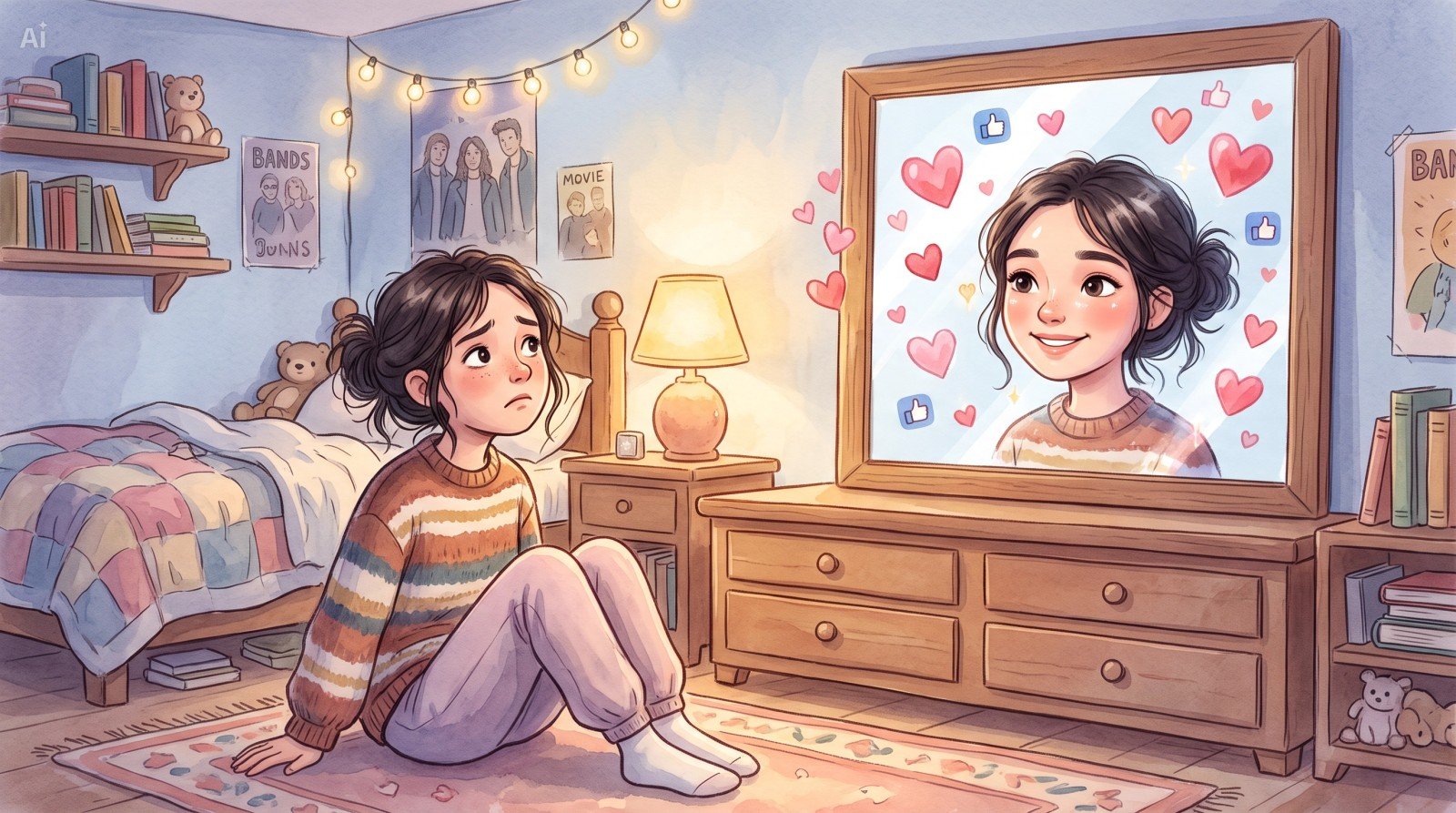
A 14-year-old looked in a real mirror and burst into tears: ‘This isn’t me. My real face looks wrong.’ She had been looking at algorithmic mirrors for so long that her actual reflection became unfamiliar. What the Synthetic Mirror teaches children about beauty, worth, and identity — and how to offer a truer reflection.
A 10-year-old stares at math for 30 seconds then says ‘Just tell me!’ Why children who grow up with instant AI answers stop believing in effort — and how to protect the struggle that makes them capable.